
Understanding Inbound Marketing: An Overview
Inbound marketing is a customer-centric approach that focuses on attracting potential customers through valuable content and meaningful interactions, rather than interruptive advertising. Unlike traditional outbound marketing methods such as cold calling or direct mail, inbound marketing seeks to earn the attention of prospects, making it a more cost-effective and sustainable strategy. By aligning content with customer needs, inbound marketing helps businesses build trust and credibility, ultimately driving more qualified leads and fostering long-term relationships.
The effectiveness of inbound marketing is underscored by impressive statistics. According to HubSpot, companies that prioritize inbound marketing are 13 times more likely to see a positive ROI than those that do not. Moreover, 70% of consumers prefer learning about a company through articles rather than ads, highlighting the growing importance of content-driven engagement. Understanding these dynamics is crucial for businesses aiming to thrive in today’s competitive landscape.
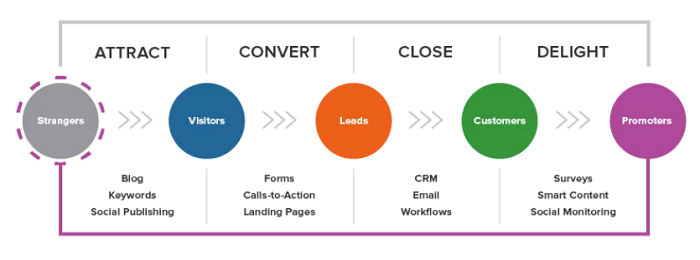
Content Creation: The Heart of Inbound Marketing
Content creation serves as the foundation of any successful inbound marketing strategy. High-quality, relevant content attracts, educates, and nurtures potential customers throughout their buyer’s journey. Effective content formats include blog posts, eBooks, infographics, videos, podcasts, and webinars, each catering to different audience preferences. For example, HubSpot’s blog generates over 3 million monthly visits, demonstrating how consistent, value-driven content can significantly boost inbound traffic.
Moreover, content needs to be optimized for search engines to increase visibility. This involves keyword research, on-page SEO, and producing content that answers specific questions or solves problems for the target audience. Semrush reports that 68% of online experiences begin with a search engine, emphasizing why SEO-focused content creation is indispensable. By integrating storytelling and data-backed insights, businesses can create compelling narratives that resonate deeply with their audience.
Search Engine Optimization (SEO): Driving Organic Traffic
SEO is one of the most powerful tools in the inbound marketer’s toolkit. It ensures that content is discoverable by search engines, leading to increased organic traffic. Effective SEO involves both technical and content-related practices, including site speed optimization, mobile responsiveness, structured data, and backlink building. A well-optimized website not only ranks higher but also provides a better user experience, reducing bounce rates and increasing engagement.
Consider the example of Moz, a leading SEO software company, whose comprehensive SEO guides and tools have positioned it as an authoritative source in the industry. Moz’s inbound strategy focuses heavily on educational content that addresses the needs of marketers and SEO professionals, which in turn drives consistent organic traffic. Statistics from BrightEdge reveal that organic search accounts for over 53% of all website traffic, highlighting the indispensable nature of SEO in inbound marketing.
Social Media Engagement: Amplifying Reach and Interaction
Social media platforms play a critical role in amplifying inbound marketing efforts by facilitating direct interaction with audiences. Effective social media engagement involves sharing valuable content, participating in conversations, and leveraging user-generated content to build community and brand loyalty. Platforms such as LinkedIn, Twitter, Instagram, and Facebook offer unique opportunities to target specific demographics and foster real-time communication.
For instance, the outdoor apparel brand Patagonia uses social media not just to promote products but to advocate for environmental causes, creating a strong emotional connection with followers. Their strategy has resulted in increased brand advocacy and customer loyalty. Data from Sprout Social shows that 64% of consumers want brands to connect with them on social media, making this channel essential for inbound marketers seeking to humanize their brand and nurture relationships.
Lead Nurturing Through Email Marketing
Email marketing remains one of the most effective inbound strategies for nurturing leads and converting prospects into customers. Personalized, segmented email campaigns help deliver targeted messages that align with where prospects are in the buyer’s journey. According to Campaign Monitor, segmented email campaigns can increase open rates by 14.31% and click-through rates by 100.95%, highlighting the power of tailored communication.
Successful lead nurturing involves creating automated workflows that provide value at every stage—whether it’s educational content for new leads or special offers for those closer to purchase. For example, the SaaS company Salesforce uses email automation to guide leads through product demos, customer testimonials, and onboarding resources, resulting in higher conversion rates. Integrating email marketing with CRM systems allows marketers to track interactions and optimize campaigns based on real-time data.
Utilizing Marketing Automation to Scale Efforts
Marketing automation enables businesses to efficiently manage and scale inbound marketing activities. By automating repetitive tasks such as email sends, social media posting, and lead scoring, marketers can focus on strategy and creativity. Tools like HubSpot, Marketo, and Pardot provide robust automation capabilities that help streamline workflows and personalize customer journeys.
A notable case study is Dell, which implemented marketing automation to handle complex B2B campaigns. By automating lead nurturing and scoring, Dell increased its sales-ready leads by 451%, demonstrating how automation can significantly boost efficiency and results. Furthermore, automation helps deliver timely, relevant content that enhances the customer experience, fostering loyalty and increasing lifetime value.
Leveraging Analytics and Data-Driven Insights
Data analytics is pivotal for measuring the effectiveness of inbound marketing strategies and making informed decisions. Key performance indicators (KPIs) such as website traffic, conversion rates, bounce rates, and customer acquisition costs provide insights into what’s working and where improvements are needed. Advanced tools like Google Analytics, Tableau, and Kissmetrics empower marketers to track user behavior and campaign performance in real-time.
For example, Airbnb uses data analytics to optimize its content and personalized marketing efforts, ensuring it reaches the right audience with the right message. Their data-driven approach has been instrumental in their global expansion and customer engagement. According to Salesforce, companies that use data-driven marketing are six times more likely to be profitable year-over-year, underscoring the importance of analytics in crafting successful inbound strategies.
Building Strong Buyer Personas
Understanding your audience is a cornerstone of inbound marketing, and building detailed buyer personas is essential to this process. Buyer personas are semi-fictional representations of your ideal customers based on research and real data. They help tailor content, messaging, and campaigns to address the specific challenges, goals, and behaviors of different audience segments.
A company like HubSpot excels at creating and sharing comprehensive buyer personas that guide their marketing and sales strategies. By developing personas for marketers, sales professionals, and business owners, they customize content to meet diverse needs effectively. Research by ITSMA shows that 90% of companies that exceed revenue goals use buyer personas, illustrating their critical role in successful inbound marketing.
Integrating Multi-Channel Strategies for Maximum Impact
Inbound marketing thrives when multiple channels work cohesively to deliver a unified customer experience. Integrating content marketing, SEO, social media, email, and paid advertising ensures consistent messaging and maximizes reach. This holistic approach creates multiple touchpoints, increasing the likelihood of engagement and conversion.
An excellent example is Coca-Cola’s “Share a Coke” campaign, which combined personalized content, social media interaction, and digital advertising to create a viral sensation. The campaign boosted sales by over 2%, demonstrating how integrated inbound strategies can drive tangible business results. According to Omnisend, companies using three or more channels in their campaigns see a 287% higher purchase rate, highlighting the power of integration.
Conclusion: Crafting a Winning Inbound Marketing Strategy
Inbound marketing is a dynamic and multifaceted approach that requires a blend of creativity, data analysis, and strategic execution. The best strategies center around creating valuable, SEO-optimized content, engaging audiences on social media, nurturing leads through personalized email marketing, and leveraging automation to scale efforts efficiently. Building buyer personas and integrating multi-channel campaigns further amplify results by ensuring relevance and consistency.
By embracing these strategies, businesses not only attract and convert leads but also build lasting relationships that drive sustained growth. As the marketing landscape continues to evolve, inbound marketing remains a powerful, customer-first methodology that inspires trust and delivers measurable ROI. Organizations that invest in these best practices will be well-positioned to thrive in an increasingly competitive digital world.
FAQ
What is inbound marketing?
Inbound marketing is a strategy focused on attracting customers through valuable content and interactions rather than traditional advertising.
Why is content creation important in inbound marketing?
Content attracts and educates potential customers, helping build trust and guide them through the buyer’s journey.
How does SEO contribute to inbound marketing?
SEO improves the visibility of content on search engines, driving organic traffic to your website.
Can social media improve inbound marketing results?
Yes, social media amplifies content reach and fosters engagement and community building.
What role does marketing automation play?
Automation helps scale marketing efforts by streamlining repetitive tasks and personalizing customer journeys.
How important are buyer personas?
Buyer personas help tailor marketing strategies to specific audience needs, enhancing relevance and effectiveness.